

Indoor air quality has become a growing concern for many households. From dust and pet dander to mold spores, cooking smells, and outdoor pollution that seeps inside, the air we breathe at home can contain a surprising mix of particles and gases. Air purifiers are marketed as a practical solution, but questions remain about how effective they really are and how to use them properly.
This guide answers the most common questions people ask about air purifiers. It explains the technology, evaluates real benefits for specific problems, and offers practical advice on placement and how many units you may need.
How Air Purifiers Work
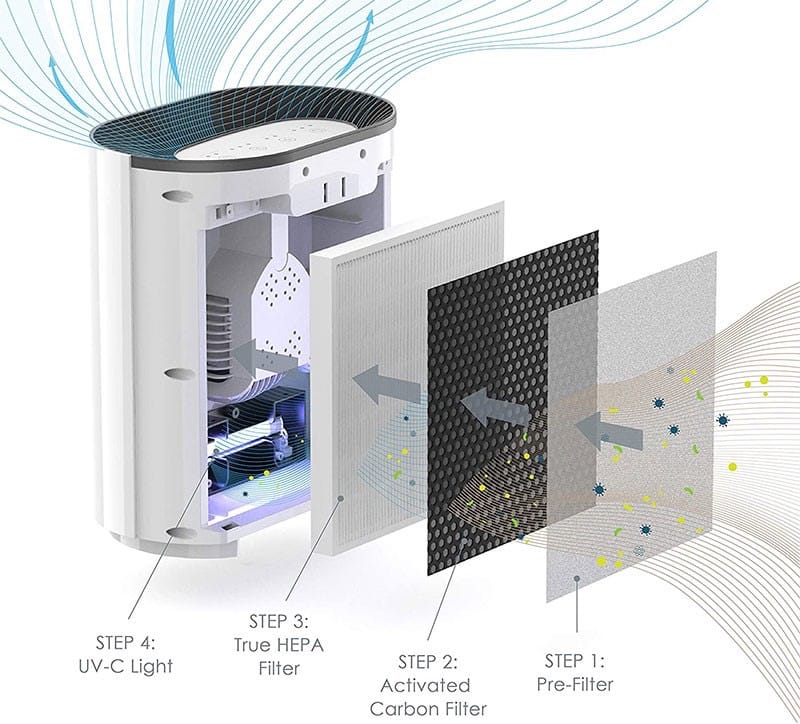
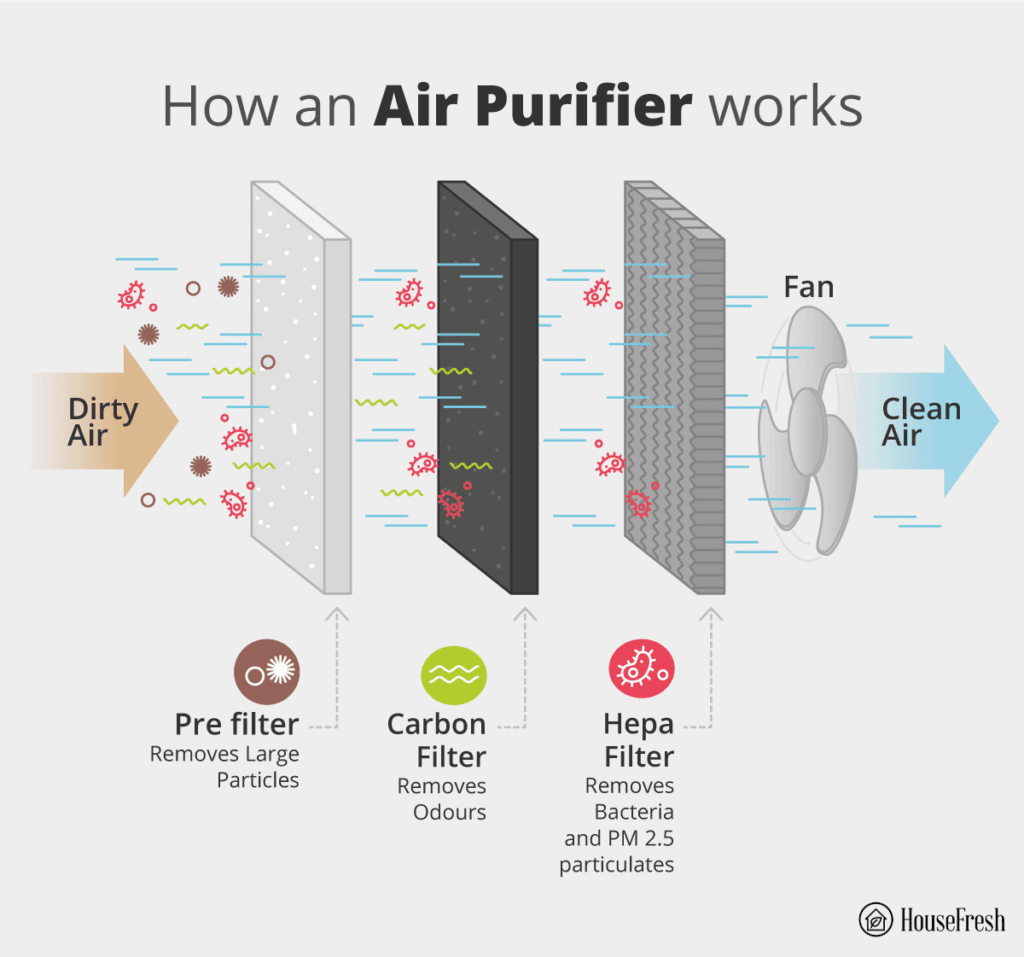
Air purifiers clean indoor air by drawing it through one or more filtration stages and then releasing the cleaned liquid air back into the room. The process typically involves a fan that pulls room air into the unit, forces it through filters, and pushes the purified air out.
The most important technology in most high-performing residential air purifiers is the HEPA filter.
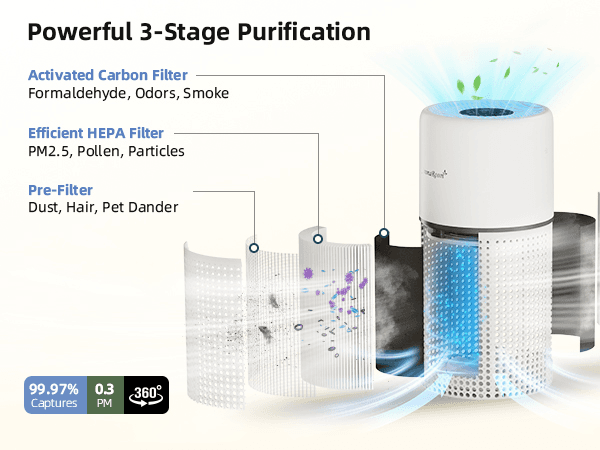
Because HEPA filters only capture particles, most quality purifiers also include an activated carbon filter. Activated carbon works through adsorption: gas molecules and odor compounds stick to the large surface area of the porous carbon material. This stage targets volatile organic compounds (VOCs), cooking smells, pet odors, smoke gases, and certain chemical fumes that pass straight through a HEPA filter.
Some models add UV-C light, which can damage the DNA or RNA of microorganisms such as bacteria, viruses, and mold spores under the right conditions. However, the air often moves past the light too quickly in consumer units for UV-C alone to be highly effective. Ionizers and photocatalytic oxidation systems are also used in some devices, but they come with limitations or potential drawbacks (such as low levels of ozone in some older ionizers) and are generally considered secondary to solid mechanical filtration.
In short, the most reliable air purifiers combine a true HEPA filter for particles with a substantial activated carbon stage for gases and odors. The fan speed, the amount of carbon, the quality of the seals around the filters, and the Clean Air Delivery Rate (CADR) all influence how well the unit performs in a real room.
Can Air Purifiers Help with Mold?
Air purifiers can help with mold, but only in a limited and specific way. Mold spores are airborne particles typically ranging from 1 to 20 microns in size. A true HEPA filter captures these spores very effectively, reducing the number circulating in the air. This can lower exposure for people with mold allergies or asthma and may reduce the chance of spores settling and starting new growth elsewhere.
What an air purifier cannot do is remove or kill mold that is already growing on surfaces such as walls, ceilings, bathroom tiles, or damp wood. It also does not address the underlying moisture problem that allows mold to thrive. High humidity, leaks, and poor ventilation remain the root causes.
For best results with mold concerns, experts recommend a combination of approaches: fix any water sources, keep indoor humidity between 30% and 50% (often with the help of a dehumidifier), clean or professionally remediate visible mold, and use a HEPA air purifier to capture the airborne spores. Some units with UV-C or advanced oxidation technologies claim to neutralize spores, but mechanical HEPA filtration remains the most proven method for reducing airborne counts.
Are Air Purifiers Worth It?
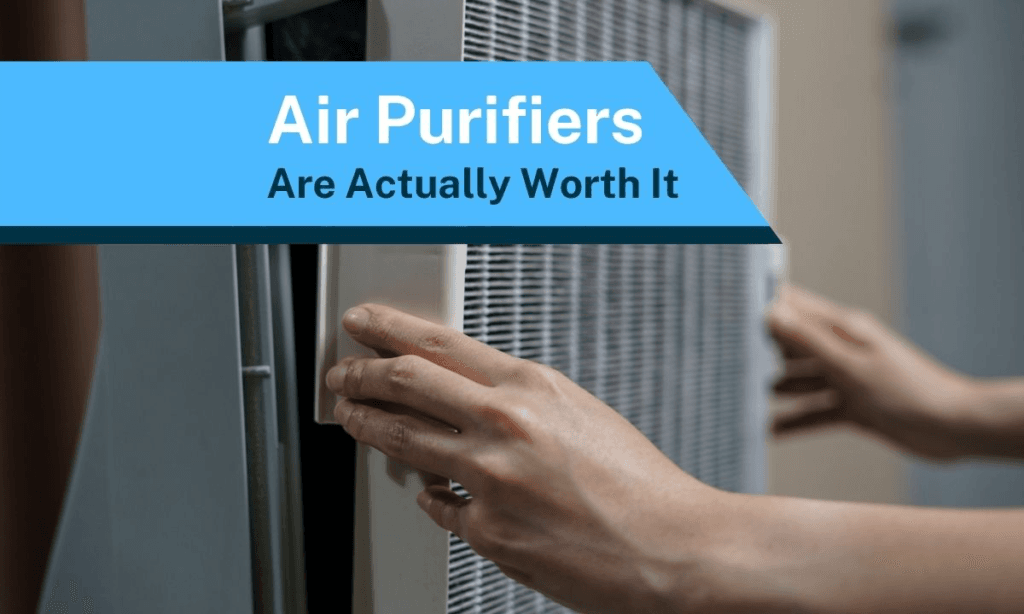
Whether an air purifier is worth the investment depends on your specific situation. Evidence shows that properly sized true-HEPA units can significantly reduce concentrations of particulate matter (PM2.5 and larger particles) indoors—often by 50% or more when run continuously in a closed room. Studies have linked lower indoor particle levels to improvements in allergy and asthma symptoms for some people, and reduced exposure is generally considered beneficial for respiratory and cardiovascular health.
Air purifiers are most clearly worthwhile for:
- Households with allergy or asthma sufferers
- Homes with pets
- Areas affected by wildfire smoke or high outdoor pollution
- People who notice dust, pollen, or other airborne irritants
They are less essential if your indoor air quality is already good, no one has respiratory sensitivities, and you maintain solid ventilation and cleaning habits. Units without genuine HEPA filtration or with only minimal carbon filters deliver limited benefits. Running costs (electricity and filter replacements every 6–12 months for HEPA and more frequently for carbon) should also be factored in.
For many people dealing with measurable air quality issues, a well-chosen air purifier provides noticeable improvement and is a practical, relatively low-risk intervention.
Can Air Purifiers Help with Smells?
Yes, air purifiers can reduce many household smells—but only if they include a sufficient amount of activated carbon. Smells are caused by gas molecules and volatile organic compounds. HEPA filters alone do almost nothing for odors because they target particles, not gases.
Activated carbon filters adsorb odor molecules onto their porous surface. Effective odor control requires a substantial bed of carbon rather than a thin coated sheet. Quality units can noticeably reduce cooking odors (garlic, fish, fried food), pet smells, cigarette or wildfire smoke odors, musty scents associated with dampness, and some chemical or paint fumes.
Limitations exist. Carbon filters eventually become saturated and need replacement. Very strong or continuous odor sources (such as an active mold problem or heavy smoking) will overwhelm the filter. Source control—ventilation while cooking, regular cleaning, fixing moisture issues—remains important alongside purification.
Where Is the Best Place to Put an Air Purifier?
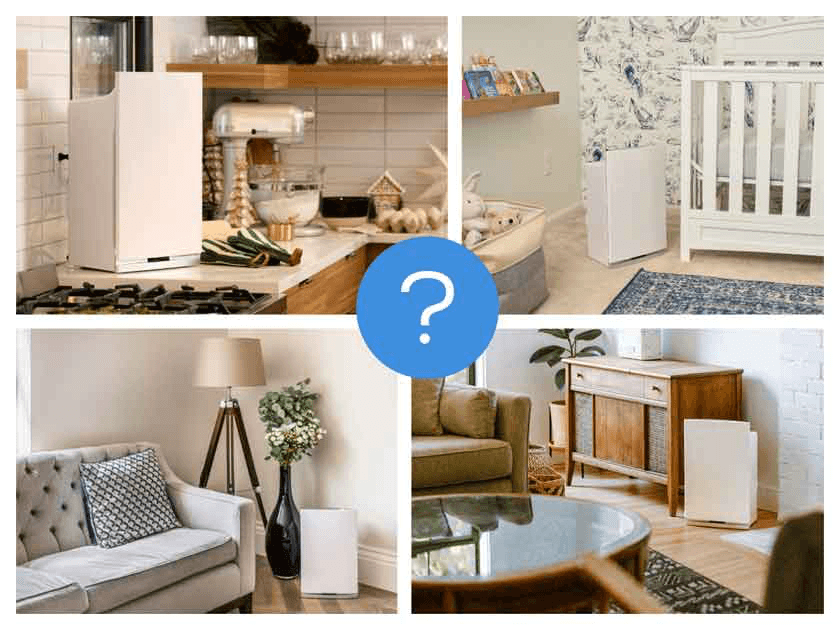
Placement has a major impact on performance. Air purifiers clean the air in the room where they are located most effectively. The general best practices are:
- Place the unit in the room where you spend the most time (often the bedroom for overnight cleaning or the main living area during the day).
- Keep it in an open area with at least 1–3 feet of clearance on all sides so air can flow freely into the intake and out of the outlet.
- Avoid corners, tight spaces against walls, or placement behind furniture, which can reduce effective airflow by 30–40% or more.
- Elevate the unit slightly (on a sturdy table or stand) when practical, as this can improve circulation through the breathing zone.
- Position it closer to pollution sources when possible (near a pet bed, entry door, or kitchen, for example), while still allowing good overall room circulation.
- Close the door of the room when you want faster cleaning of that specific space.
In bedrooms, many people place the purifier a few feet from the bed. In living rooms, a central open location works best. Avoid bathrooms or other high-moisture areas that could damage the unit.
How Many Air Purifiers Do I Need?
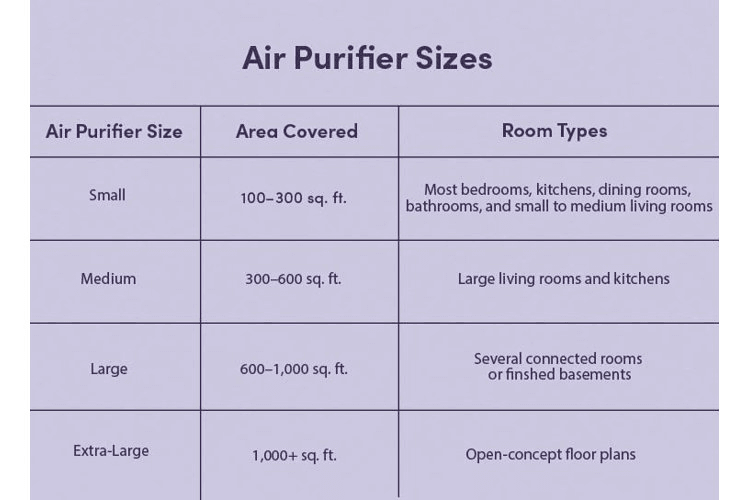
You do not necessarily need one unit for every room. Portable air purifiers are designed as single-room devices. A practical approach for most homes is:
- Start with one well-sized unit in the bedroom (where you spend roughly a third of your time).
- Add a second unit for the main living area.
- Consider additional units for other frequently used rooms or if you have open-concept spaces that are large or have high ceilings.
Sizing matters more than quantity. Match the Clean Air Delivery Rate (CADR) of the purifier to the room size. A common guideline is that the smoke CADR should be roughly two-thirds of the room’s square footage for effective performance. Larger open areas or multi-story homes may require more units or higher-capacity models. Whole-house systems integrated into HVAC are an alternative for comprehensive coverage, but they are more expensive and complex to install.
Can Air Purifiers Help with Dust?
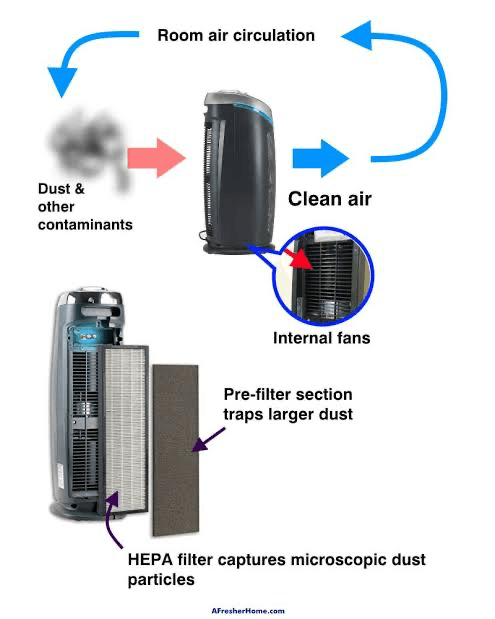
Yes. True HEPA air purifiers are highly effective at reducing airborne dust. Household dust consists of fine particles from skin cells, fabric fibers, outdoor soil, pollen, and other sources. Many of these particles remain suspended in the air long enough for a HEPA filter to capture them.
Running a properly sized HEPA purifier continuously can noticeably lower the amount of dust circulating and settling. However, an air purifier does not remove dust that has already settled on furniture, floors, or shelves. Regular vacuuming (preferably with a HEPA vacuum), dusting, and reducing clutter remain necessary. The combination of filtration plus good cleaning habits produces the best results.
Final Thoughts
Air purifiers are a useful tool for improving indoor air quality when chosen and used correctly. Look for true HEPA filtration paired with adequate activated carbon, match the unit’s capacity to your room size, place it thoughtfully, and maintain the filters. They work best as part of a broader approach that includes source control, ventilation when outdoor air is clean, humidity management, and regular cleaning.
For people dealing with allergies, pets, dust, occasional smoke, or mold spore concerns, a quality air purifier can make a measurable difference in the air they breathe every day. Understanding the strengths and limits of the technology helps set realistic expectations and leads to better results.